America’s wildest, most biologically and culturally important public lands
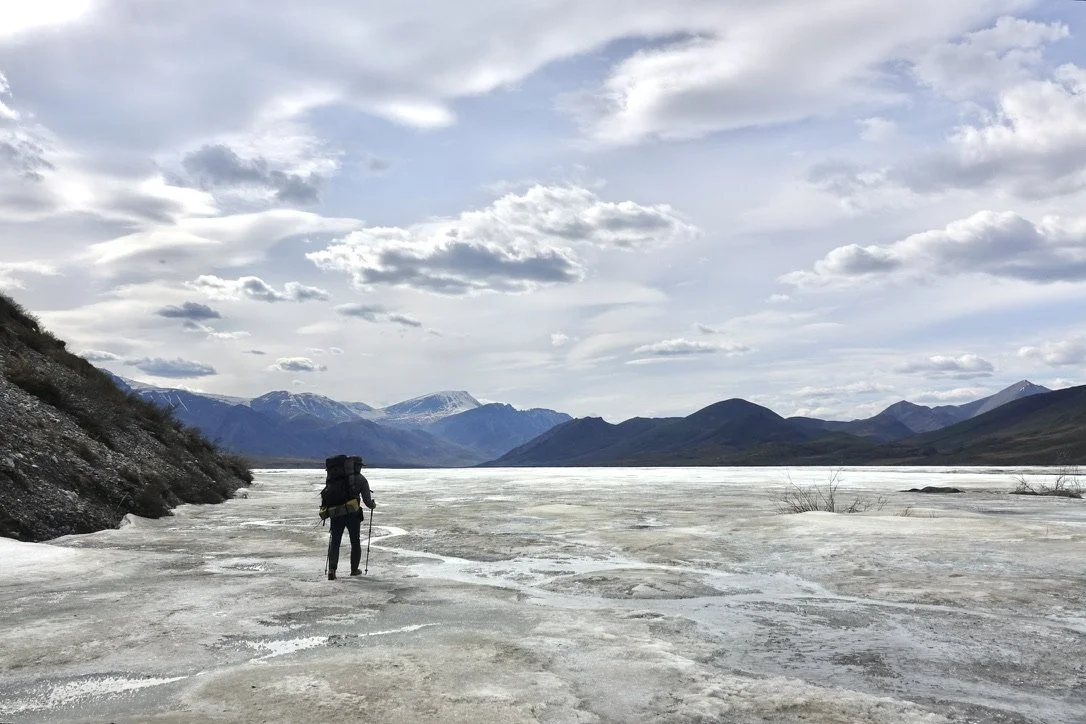
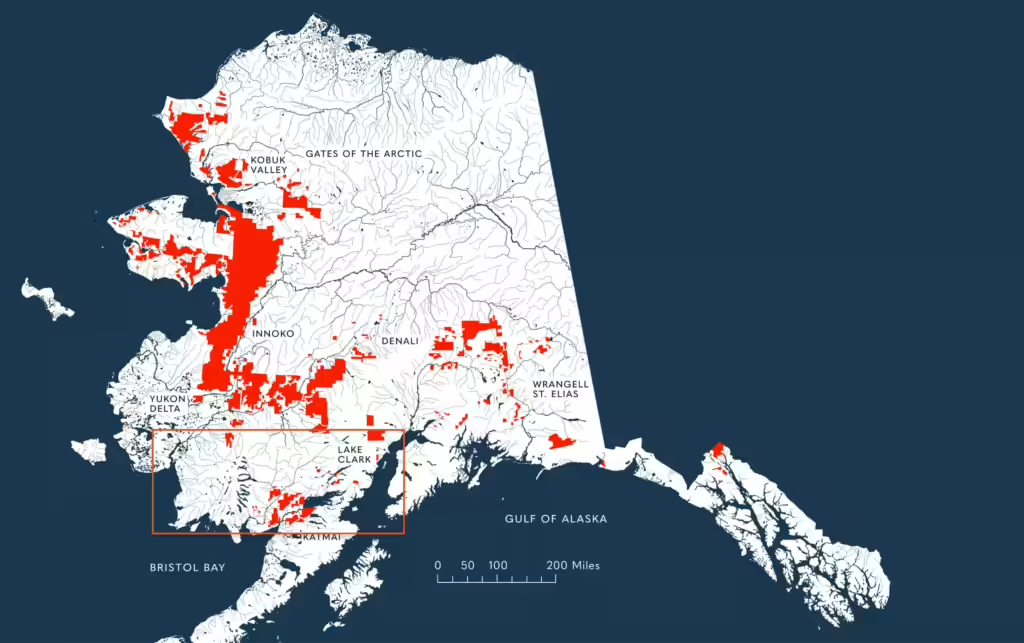
Spanning the temperate rainforests of Southeast Alaska to north of the Arctic Circle, Alaska’s D-1 lands are among the largest intact landscapes left in the country, representing millions of acres of protected public lands. Safeguarding these lands from harmful development is essential for preserving important habitat that supports hundreds of local fishing, outfitting, and tourism jobs, providing unparalleled outdoor recreation access, and supporting a thriving state economy.
Secretary of the Interior Burgum and the Trump administration have the power to ensure Alaska’s wild lands remain protected so Alaskan businesses can thrive.
Bristol bay
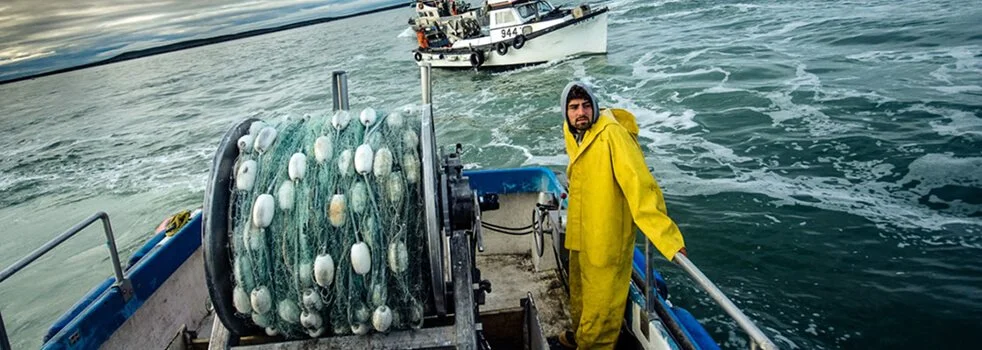
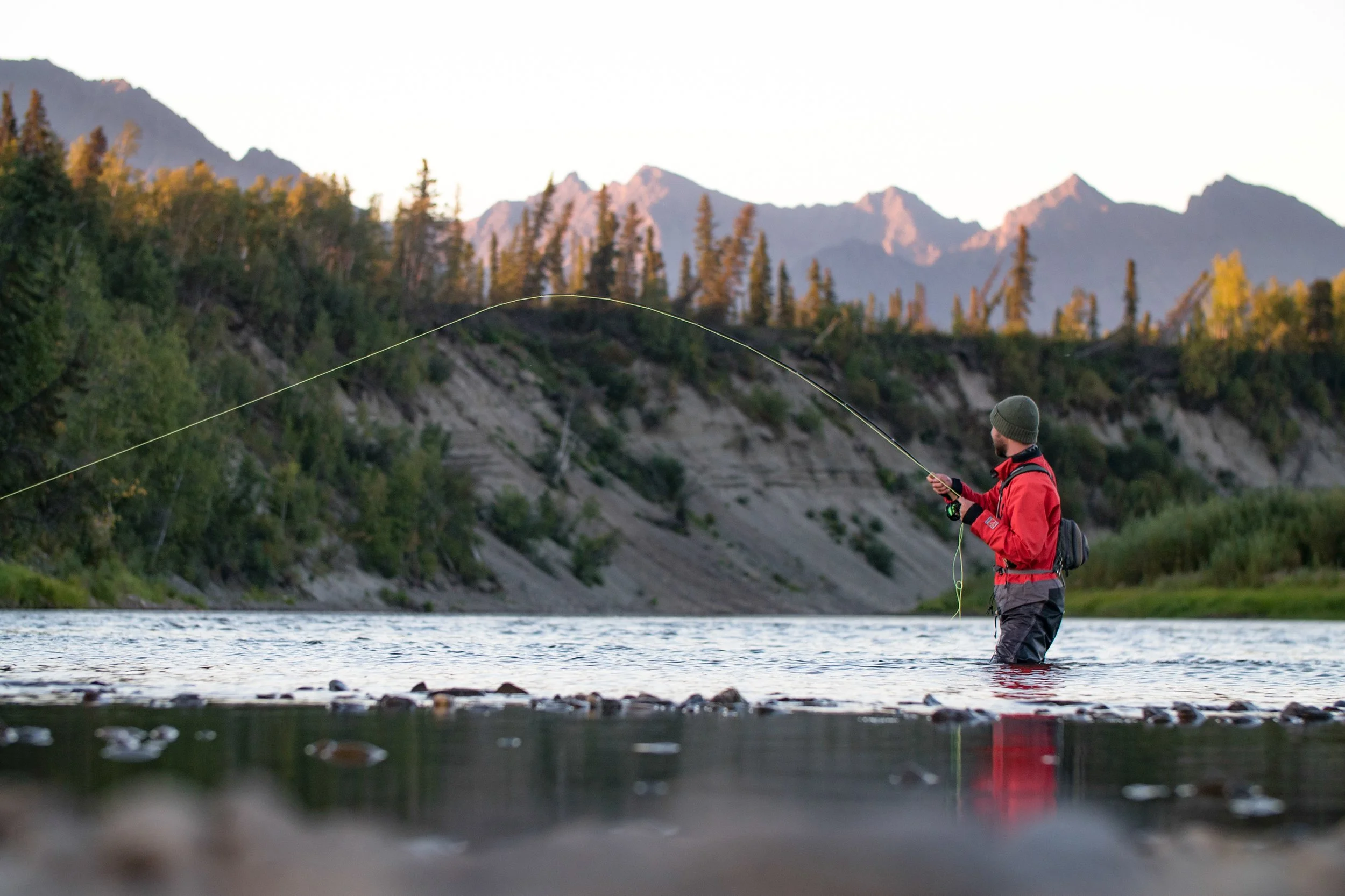
Salmon Fishing
The most prolific wild sockeye salmon runs on the planet rely on protected inland, freshwater streams for spawning. Millions of salmon feed brown bears, foxes, eagles, famed rainbow trout, Arctic Char, and other species. The fish and wildlife fuel a more than $2 billion economy out of Bristol Bay.
Stand with Alaska.
Protect Our Economy.
Safeguard Habitat.
$3.1 billion
generated annually by outdoor recreation in Alaska
21,000+ JOBS
in Alaska’s outdoor recreation industry are at risk
Economy
Throughout Alaska, connected lands support thousands of small, local, and family-owned businesses. These operations help visitors experience unmatched outdoor recreation excursions. Ensuring full protections for 28 million acres of Alaska’s wildlands is essential to grow and maintain this important industry.

Caribou
Waterfowl

Bald Eagle

Sockeye Salmon
Critical Lands
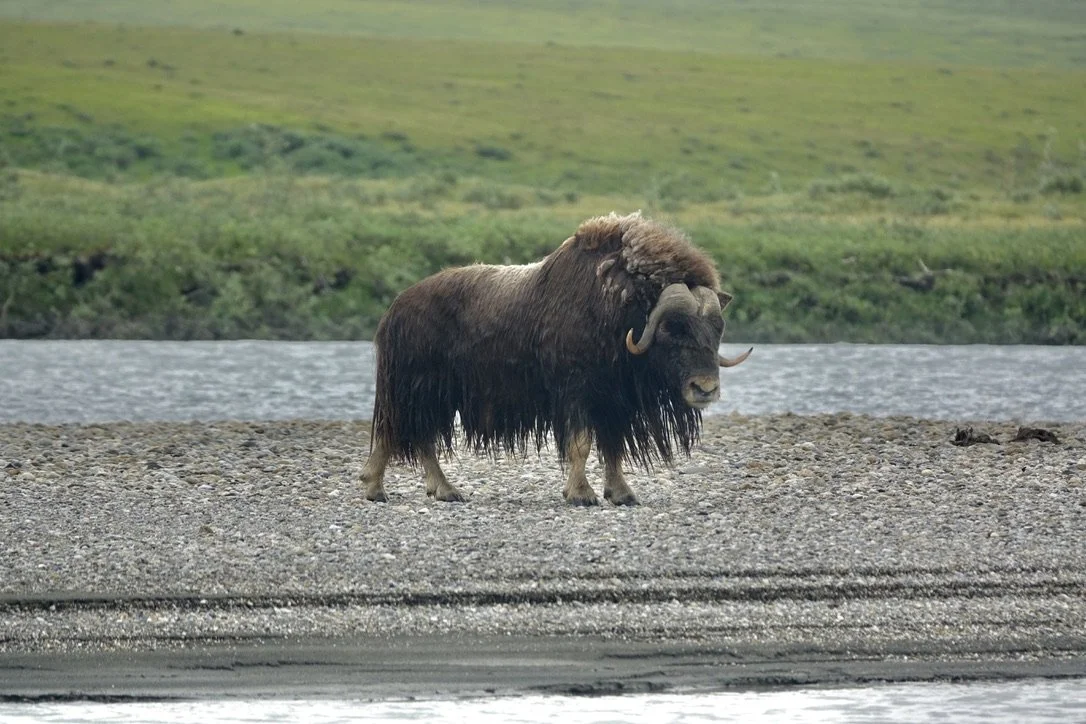
Opening up Alaska’s D-1 lands to harmful industrial development would wreak havoc on millions of acres of important habitat, endangering some of our nation’s most iconic wildlife
28 Million Acres
of unexploited Alaska public land is one of our nation’s greatest recreation treasures
Outdoor Recreation
D-1 Lands house legendary recreation experiences that would be at risk, including the trout and salmon mecca of Bristol Bay, famed caribou herds of the Western Arctic, and the world’s largest bald eagle concentration in the Chilkat River Valley wilderness. Should recreational opportunities be diminished, economic impacts would reverberate through rural communities across the state.
Protect our Future
For millennia, D-1 lands have sustained Alaskans. Today, they fuel thriving economies—commercial fishing, guided hunting, outdoor recreation, and tourism. Industrial extraction on these lands would have irreversible impacts on wildlife, communities, and recreation. Removing protections would destroy caribou migration routes, bald eagle sanctuaries, and critical wild salmon habitat. Alaska’s wildlands—and our future—are on the line.